A stroke can change life in one day. One minute you are fine. The next, your arm feels heavy, your leg won’t hold you, or walking feels scary. Most people ask the same thing: “Will I get better?” The good news is that most people do improve, and physiotherapy after a stroke plays a big part. Here is what the first year often looks like, and how the right help makes each month count.
What Makes the First Few Weeks So Tough?
When a stroke happens, part of the brain loses its blood supply for a while. If that part looked after movement, balance or feeling, you notice it straight away. Getting up from the sofa can take three tries. A mug of tea suddenly feels heavy.
Then there’s the tiredness, which catches a lot of people off guard. Some feel flat or anxious too. And families? They’re usually still working out who to call first.
Here’s the hopeful bit. With enough practice, the brain can build new pathways around the damaged area (you might hear this called neuroplasticity). That practice needs to happen often, and it goes better with someone who treats stroke week in, week out. That’s our job as neuro physios.
How Physiotherapy After a Stroke Helps, Month by Month
No two strokes look alike, and no two plans do either. Even so, we see the same rough pattern in most people during year one.
Months 1 to 3: Why Early Physiotherapy After a Stroke Counts
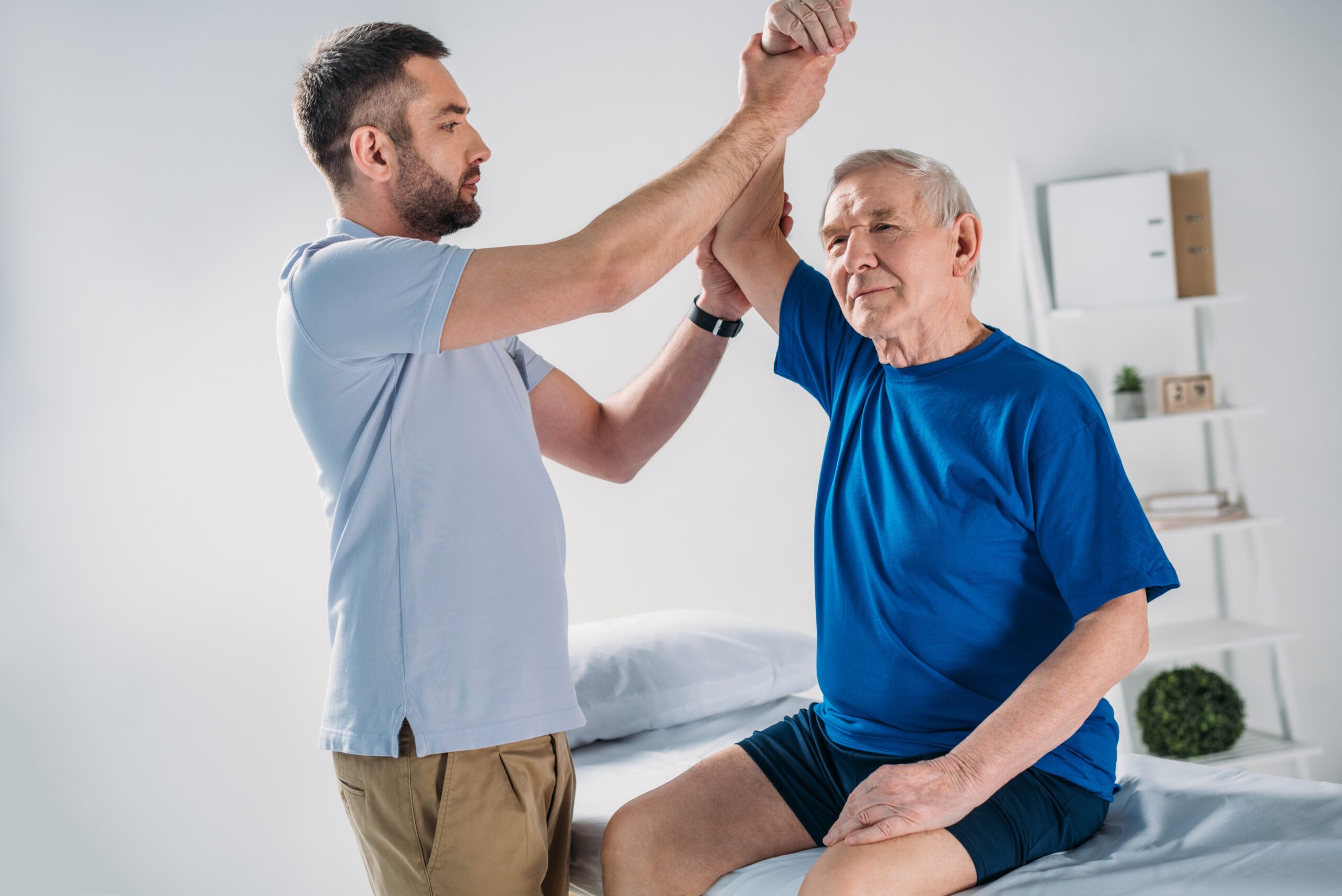
In our experience, this is when people tend to see the quickest changes, because the brain is primed to relearn. For many, therapy starts on the ward and simply carries on at home after discharge. The early sessions are pretty basic, and that’s on purpose: sitting on the edge of the bed without wobbling, standing up, shuffling across from bed to chair, then a few first steps. We’ll also show your family how to help without anyone getting hurt.
Months 3 to 6: Stairs, Longer Walks and a Stronger Arm
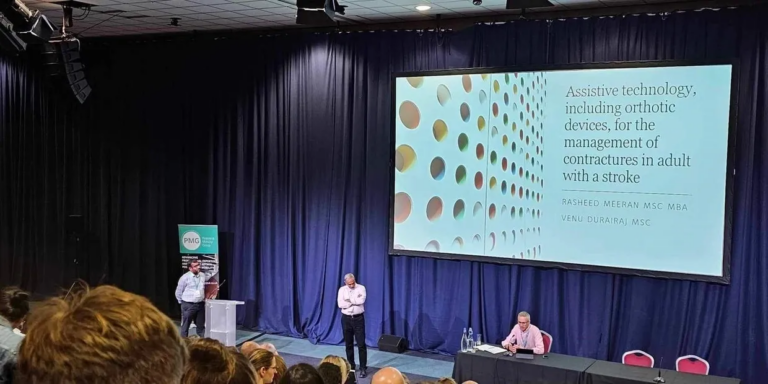
Don’t worry if things seem to slow down around now. Most people hit this patch. The focus moves to walking a bit further each week, tackling the stairs at home, standing steadier and coaxing your weaker arm and hand back into use. Some people notice their muscles getting stiff or tight, which is called spasticity. For that we might use daily stretches, a splint or, if it’s needed, Botox injections.
Months 6 to 12: Living Your Life Again
Gains still come, they just arrive in smaller steps. This stage is all about your own life. For one person that’s the walk to the corner shop. For someone else it’s cooking Sunday lunch or pottering in the garden again. We’ll agree goals with you that you actually care about, then help you build routines so you don’t lose the ground you’ve won.
Getting the Right Help at Hope Rehab
At Hope Rehab, our specialist neuro physiotherapists offer physiotherapy after a stroke in our Haslemere clinic, in a care home or in your own home. We help with walking, balance, arm movement, spasticity, splinting and seating. See our Clinical Services and Therapy in your own home pages.
You can check session prices on our Information for Patients page or meet the team. For trusted advice on life after a stroke, the NHS stroke recovery guide and the Stroke Association are great places to start.
Ready to talk? Visit our home page or call us on 0777 058 6563 to book an assessment.